
Navigating Trauma: A Guide to the Maine EMS Trauma Protocols

April 13, 2026

4.29
(7 Ratings)

Navigating Trauma: A Guide to the Maine EMS Trauma Protocols
Categories: Trauma
Share
Share Course
Page Link
Share On Social Media

About Course

MD3 has recently upgraded software. The course here is no longer accepting enrollments, but the course can be accessed and enrolled at:
https://rounds.md3maine.com/enrol/index.php?id=6

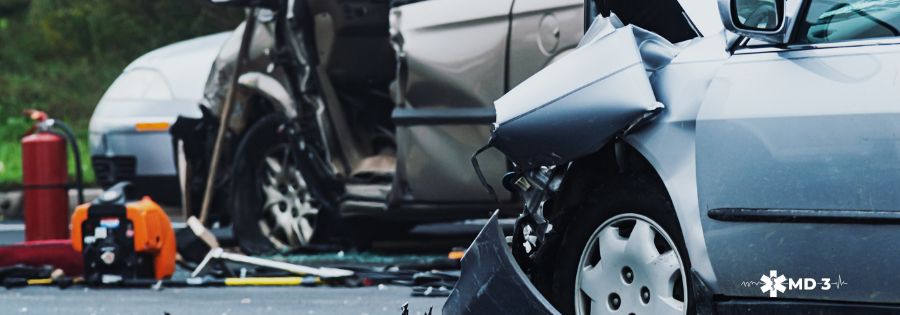
In emergency medicine, a rapid, systematic approach is crucial for treating trauma patients. The Maine EMS trauma protocols are a comprehensive set of guidelines designed to help providers quickly assess, treat, and transport injured individuals. These protocols ensure that life-threatening injuries, such as catastrophic hemorrhage and head injuries, are addressed immediately and effectively. By following this systematic approach, providers can navigate chaotic scenes and significantly improve patient outcomes. The ultimate goal is to provide the right care at the right time, making every second count.

Maine EMS Course Number: 25-43201

Course Content

Introduction
This month's MD3 Rounds blog post provides an in-depth look at the Maine EMS trauma protocols.

  • Notice of Software Upgrade
  • Course Orientation
  • Introduction

Understanding Trauma and its Impact
This section will introduce you to the foundational principles of trauma care, emphasizing the importance of a rapid, systematic approach. You'll learn about the spectrum of trauma, from minor lacerations to life-threatening hemorrhagic shock, and the physiological cascade that occurs in the body after an injury.

Critical First Steps of Trauma Care
This topic focuses on the critical first steps of trauma care: assessing a patient's condition and determining the appropriate level of care and transport destination.

Hemorrhage Control and Shock Management
Controlling catastrophic bleeding is the single most critical intervention in trauma. This topic is dedicated to the management of hemorrhage and hemorrhagic shock, a leading cause of preventable death

Management of Specific Trauma Injuries
This section provides a detailed look at the focused management of specific, high-acuity trauma presentations.

Conclusion & Knowledge Check
The Maine EMS trauma protocols are a comprehensive guide for managing trauma in the prehospital setting. By mastering the principles of rapid assessment, hemorrhage control, and the management of specific injuries, you can provide the highest level of care to your patients. The most effective trauma care is a rapid, systematic approach that identifies and treats life threats as they are discovered, ultimately giving your patients the best chance of survival.

Student Ratings & Reviews

4.3
Total 7 Ratings
5
4 Ratings
4
1 Rating
3
2 Ratings
2
0 Rating
1
0 Rating
MG
1 month ago
Good course, informative.
MD
2 months ago
Thank you.
CF
2 months ago
Informative
AD
2 months ago
Very informative course and it was a great refresher
JD
4 months ago
Convenient to do online at my own pace. Format (page) set up could be improved to allow better visualization and following along.
MS
4 months ago
good review
KD
4 months ago
Thanks, MD3!
Go to Top